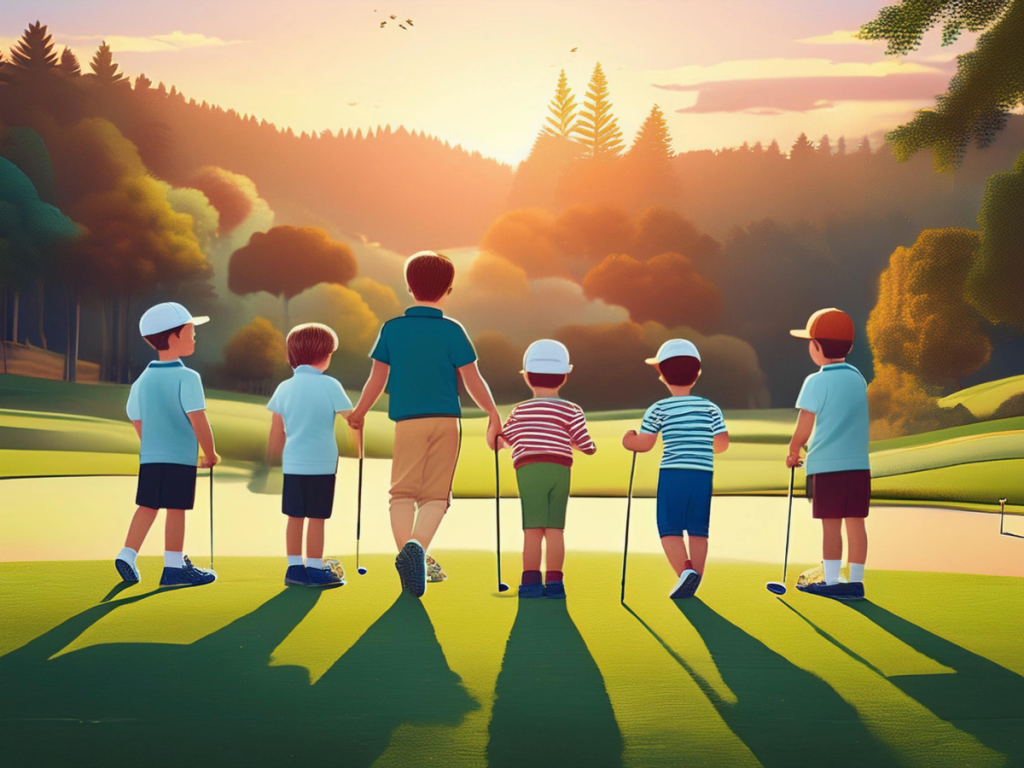
Introducing kids to golf can be one of the most rewarding experiences for parents, but it can also be a bit overwhelming to determine the right age to start formal lessons. Every child develops differently, and finding the ideal time to introduce structured golf lessons depends on factors like interest, physical readiness, and maturity. This guide breaks down some key considerations to help you decide when to start lessons for your aspiring junior golfer.
1. The Ideal Starting Age: It Depends on the Child
While there’s no set “perfect age” to start golf lessons, many golf instructors agree that ages 5 to 7 are generally good for introducing the basics. At this age, children often have the motor skills to swing a club effectively and can handle short periods of instruction.
However, some children show interest even earlier. If your child is showing excitement about golf at age 3 or 4—perhaps mimicking your swing or asking questions—it’s fine to start with some fun, informal sessions. At this stage, a few key guidelines are helpful:
- Keep it Playful: Young kids learn best through play, so make it enjoyable with simple swings, hitting balls, and lots of praise.
- Focus on Fun Over Technique: Avoid getting technical; instead, nurture their enthusiasm and help them build a love for the game.
2. Signs They’re Ready for Formal Lessons
As kids grow, they become more capable of handling structured lessons. Consider formal lessons if your child:
- Shows Consistent Interest: If they’re asking to go to the course or range often, they may be ready for more instruction.
- Has the Attention Span for a 30-45 Minute Lesson: Kids’ attention spans vary widely, but if they can stay focused on a task for 30 minutes or so, formal lessons are more likely to be effective.
- Can Follow Simple Directions and Focus on Improving: Understanding and applying basic instructions, like keeping their feet steady or watching the ball, can indicate readiness for more structured coaching.
3. Choosing the Right Type of Lesson
Once you feel your child is ready, there are several approaches to take with lessons:
- Group Lessons: These are often offered for kids as young as 5 or 6 and provide a social, low-pressure environment. Kids learn the fundamentals while making friends and observing others.
- Junior Golf Programs and Camps: Many golf facilities offer junior camps or programs that blend instruction with games and physical activity. These are fantastic for younger players who may get tired or restless during longer sessions.
- Private Lessons: Individual lessons can be beneficial for kids who are serious about improving and ready to work one-on-one with a coach. Private lessons tend to be best for kids aged 7 and older who have shown a real dedication to learning.
4. Why Starting Early Isn’t Always Necessary
While early exposure to golf can be great, starting lessons very young isn’t essential for success. Some junior golfers begin later, around ages 8-12, and quickly progress as their bodies and minds are more prepared to learn. Kids who begin later often catch up rapidly because they have better focus and physical coordination.
The key is to introduce golf in a way that feels natural for your child’s interests and developmental stage. For younger kids, even short outings to the driving range or mini-golf can be a fantastic way to build comfort and familiarity with the game before formal lessons start.
5. Building a Foundation with Fundamentals First
For young golfers just starting, focusing on fundamentals is essential:
- Grip, Stance, and Posture: Simple aspects like holding the club correctly, standing properly, and lining up to the ball are foundational skills that can be taught early and refined over time.
- Balance and Body Control: Many golf skills are rooted in balance and motor control. Fun balance drills or other sports like soccer, gymnastics, or martial arts can support golf readiness.
- Short Game Skills: Putting and chipping are typically easier to master for young kids and help build confidence. They can also be practiced at home with minimal equipment.
6. Keeping it Fun and Positive
Above all, golf should be a fun experience. Too much structure, intensity, or focus on competition at a young age can lead to burnout. Encourage a positive attitude and emphasize progress over perfection. Junior golfers who feel supported and enjoy the game are more likely to stick with it and develop a lifelong love for golf.
7. Tips for Parents: Supporting Your Junior Golfer
- Let Your Child Set the Pace: Kids develop at different rates. Some may be ready for lessons early, while others may benefit from more play-based learning.
- Encourage Without Pressure: Celebrate effort and improvement, not just results.
- Stay Patient: Progress in golf can be slow, and the journey is as important as the results.
- Enjoy the Time Together: Golf offers an amazing opportunity for quality family time—make the most of it!
Conclusion
Ultimately, the best time to start lessons for your junior golfer depends on their interest, maturity, and physical readiness. Beginning around age 5 to 7 works well for many kids, but introducing golf can happen earlier or later based on your child’s enthusiasm and readiness. Start slow, keep it fun, and remember that a love for the game is the most important outcome. With the right approach, you’re setting the stage for years of enjoyment on the course!
 Rob Baynard, PGA