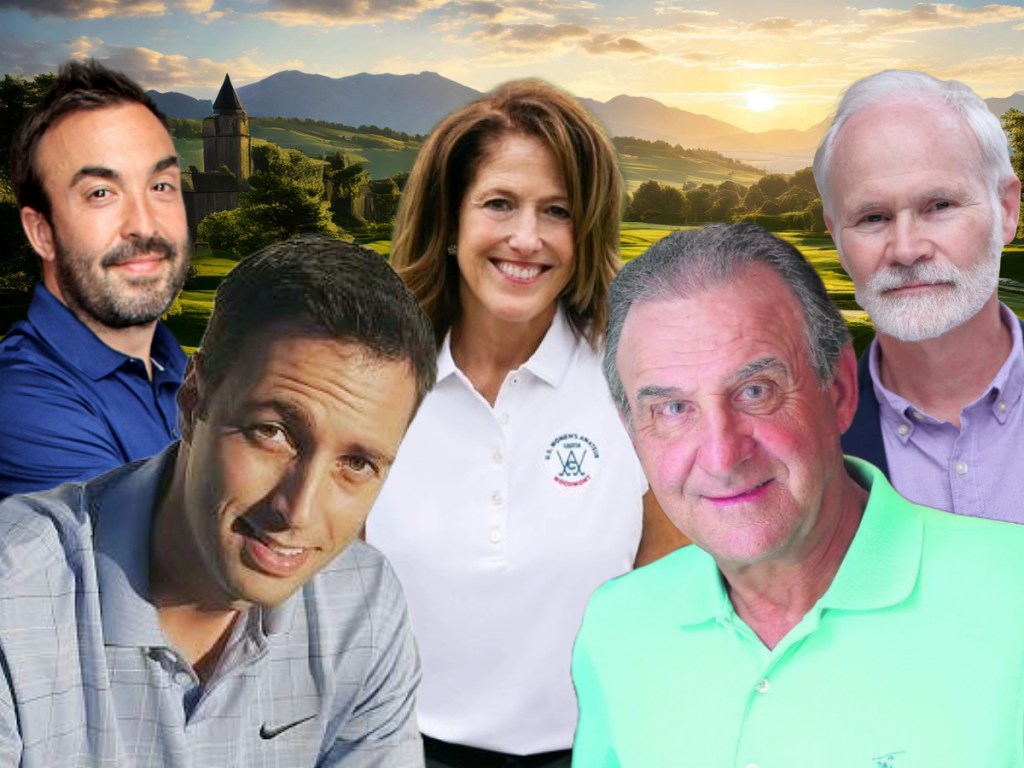
Golf is as much a mental challenge as it is a physical one, particularly for junior players learning to navigate the pressures of competition and the inevitable setbacks of the game. Developing mental toughness not only improves on-course performance but also equips young athletes with life skills such as resilience, emotional control, and a positive mindset. Here, we explore proven strategies for building mental toughness, featuring insights from leading golf and sports psychologists, including Dr. Bob Rotella, Julie Elion, and others.
The Foundation of Mental Toughness: Resilience and Emotional Control
Resilience is the cornerstone of mental toughness, enabling young golfers to bounce back from missed shots, bad rounds, or tough losses. Sports psychologist Dr. Bob Rotella, author of Golf Is Not a Game of Perfect, emphasizes the importance of a positive self-image and focusing on controllable factors such as effort and preparation. He advises players to “love the challenge of the day, whatever it may be,” which helps them see setbacks as opportunities for growth rather than failures.
Strategies to Build Resilience:
- Reframe Failures: Teach young golfers to view mistakes as learning experiences.
- Set Process Goals: Focus on actionable goals, such as maintaining a consistent pre-shot routine, rather than outcomes like scores.
- Visualization: Help players mentally rehearse challenging scenarios to build confidence.
For more on Dr. Rotella’s principles, visit his website.
Managing Pressure: Staying Calm Under Fire
Handling pressure is critical in golf, where even minor mental lapses can impact performance. Renowned sports psychologist Dan Abrahams, author of Golf Tough, stresses the importance of self-talk and staying in the present moment. He advises junior golfers to adopt mantras like “focus on the next shot” to prevent overthinking and anxiety.
Practical Tools for Pressure Situations:
- Breathing Techniques: Controlled breathing helps regulate nerves.
- Mindful Practice: Incorporate mindfulness exercises into practice routines.
- Pressure Drills: Simulate high-pressure scenarios during training to desensitize players.
Explore more insights from Abrahams on his website.
Julie Elion: Golf’s Mental Game Pioneer
Julie Elion, founder of the Center for Athletic Performance Enhancement (CAPE), has emerged as one of the hottest names in golf psychology. She has worked with stars like Wyndham Clark, who credited her guidance as a “game changer” in his journey to winning the 2023 Wells Fargo Championship and U.S. Open, and Max Homa, who attributes his rise in the PGA rankings to Elion’s influence. Elion focuses on helping players develop a mindset of self-belief, preparation, and emotional balance.
Elion’s Core Strategies:
- Pre-Shot Routines: Simplifying decisions and creating consistent routines to reduce anxiety.
- Emotional Awareness: Teaching players to identify and manage emotions during play.
- Confidence Building: Helping golfers trust their skills and preparation, even under intense pressure.
Her innovative approach blends classical tools like visualization with insights into personal and professional development. For an in-depth look at Elion’s techniques and client success stories, visit her CAPE Performance site.
Turning Setbacks into Opportunities: The Role of Growth Mindset
Dr. Gio Valiante, author of Fearless Golf, emphasizes the value of cultivating a growth mindset—a belief that abilities can be developed through hard work and learning. Valiante’s work encourages junior golfers to embrace challenges and persist despite setbacks.
Tips for Fostering a Growth Mindset:
- Encourage Curiosity: Frame challenges as puzzles to solve.
- Praise Effort, Not Talent: Reinforce the idea that improvement comes through persistence.
- Reflect on Progress: Regularly review achievements and areas for growth.
Learn more about his work here.
Extending Mental Toughness Beyond the Course
Mental toughness doesn’t stop when players leave the course. Sports psychologists like Nate Zinsser, author of The Confident Mind, advocate for applying these skills in school, relationships, and other life areas. Developing confidence, focus, and resilience prepares junior golfers for success both on and off the course.
Life Skills Taught Through Golf:
- Emotional Regulation: Managing emotions in high-stakes situations translates to academic and social settings.
- Perseverance: Learning to recover from mistakes builds a never-give-up attitude.
- Teamwork and Leadership: Junior team competitions teach collaboration and responsibility.
For further resources on Zinsser’s teachings, visit The Confident Mind.
Conclusion
Teaching junior golfers mental toughness requires a blend of strategies that build resilience, manage emotions, and foster a positive mindset. Drawing on the expertise of leading psychologists like Julie Elion, Dr. Bob Rotella, and Dan Abrahams, parents and coaches can help young players navigate pressure and setbacks with confidence. Ultimately, these skills will not only elevate their golf game but also prepare them for life’s broader challenges.
 Rob Baynard, PGA